Choosing the Right Industrial Storage Cabinet
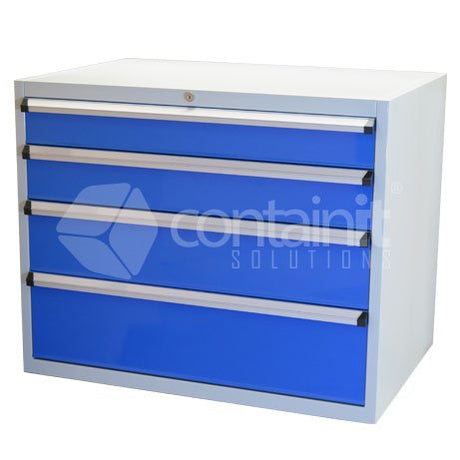
A cabinet used for fasteners and consumables usually looks different from one that stores hand tools or maintenance equipment. The height of the drawer, the internal layout and the overall cabinet size all affect how much you can store and how easy it is to find things.
Frequently used parts are usually stored in accessible drawers with clear labels so they can be located and replenished quickly. Slower-moving inventory can often sit in deeper drawers or larger cabinet layouts, depending on item size and weight. Barcodes can also be fitted to drawer fronts or on divider fronts by sites that are utilising more specific part tracking and replenishment systems.
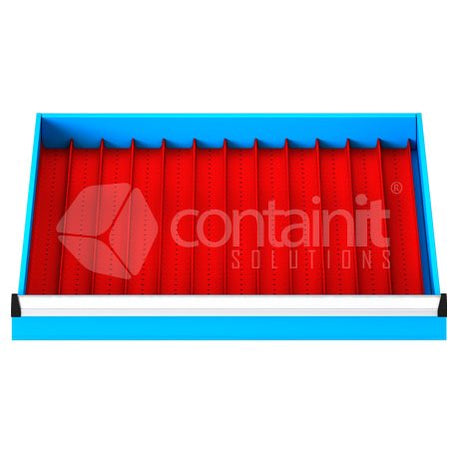
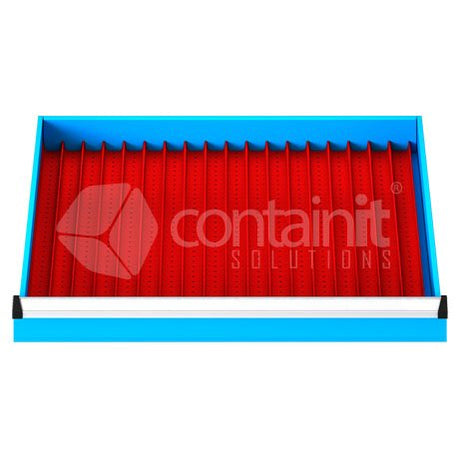
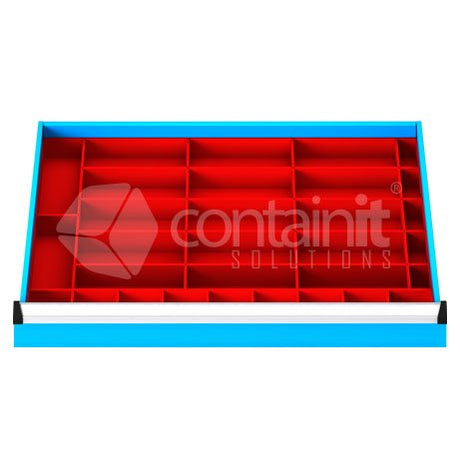
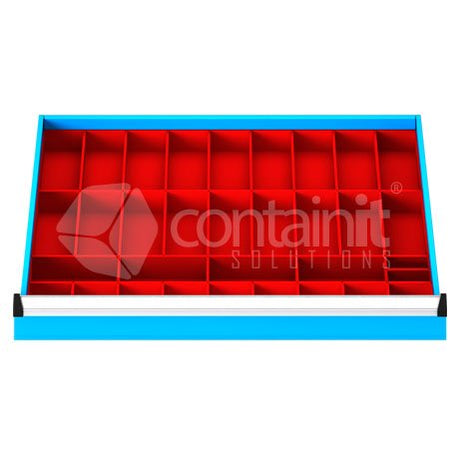
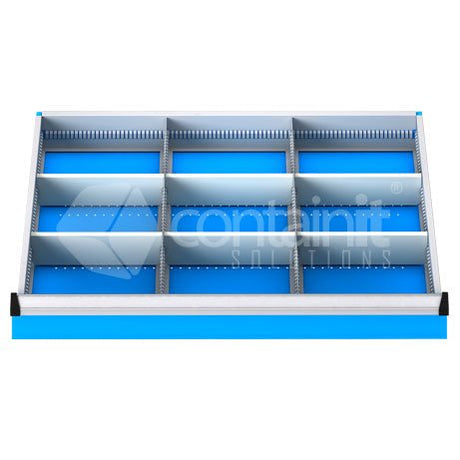
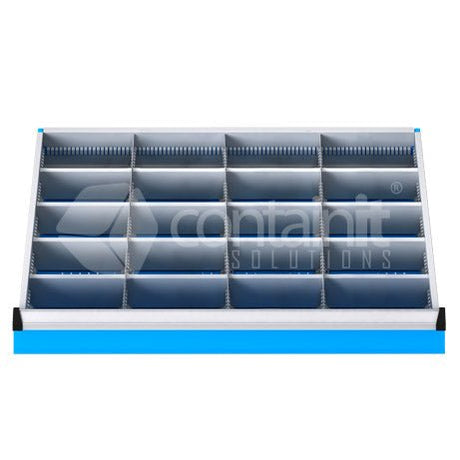
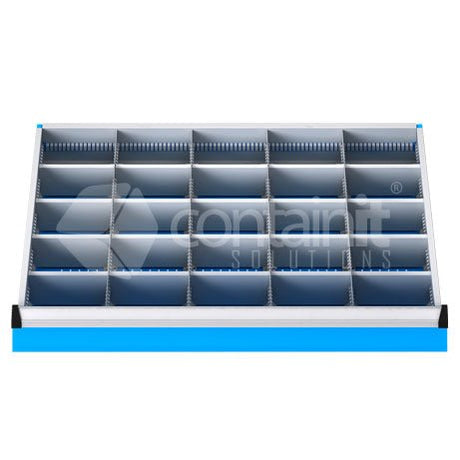
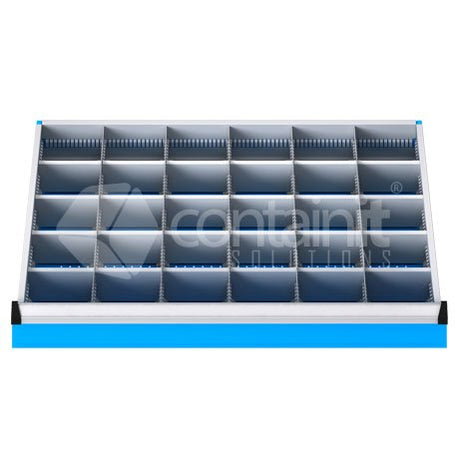
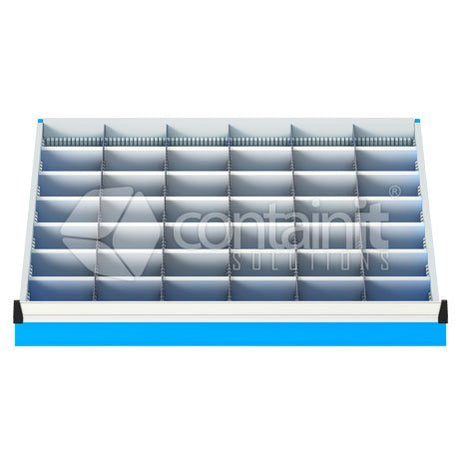
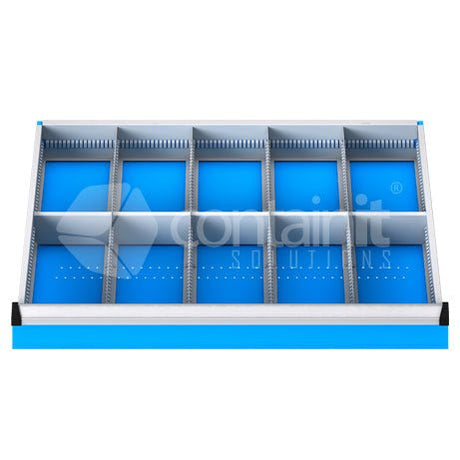
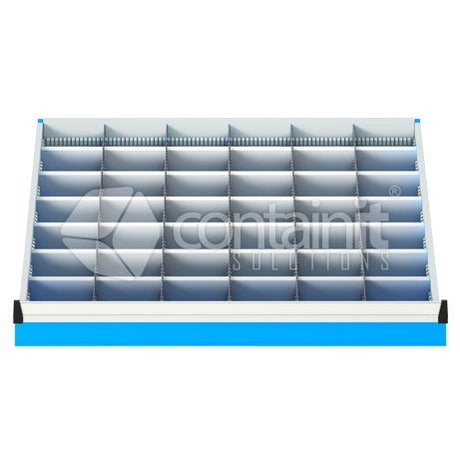
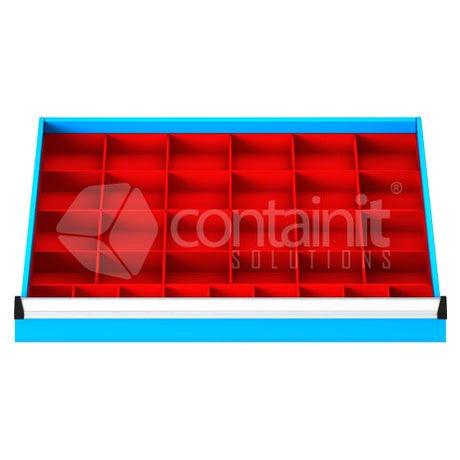
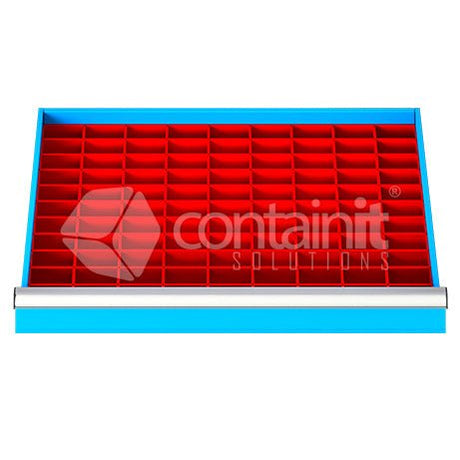
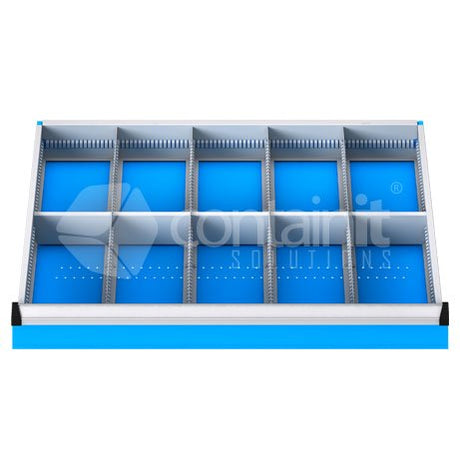
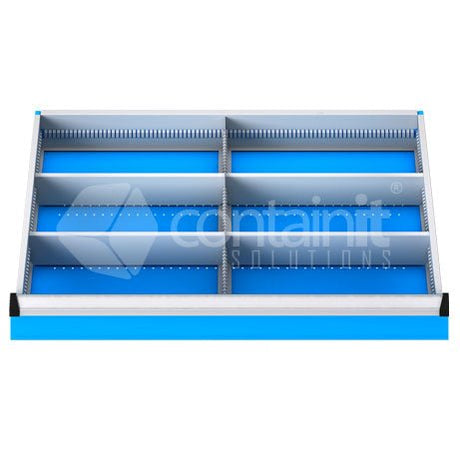
Plastic bucket inserts suit small parts that need to stay separated, such as screws, bolts, fittings and consumables. Metal drawer dividers suit tools, mixed stock and inventory that changes over time.
| Cabinet option |
Best suited to |
Key considerations |
| 815 mm Series |
Small workshops and maintenance areas |
Compact footprint with flexible drawer layouts |
| 1225 mm Series |
General workshop and warehouse storage |
Good balance of size, access and storage capacity |
| 1400 mm Series |
Parts stores and maintenance departments |
More room for larger inventories and mixed stock |
| 2000 mm Series |
Central stores and higher-volume inventory |
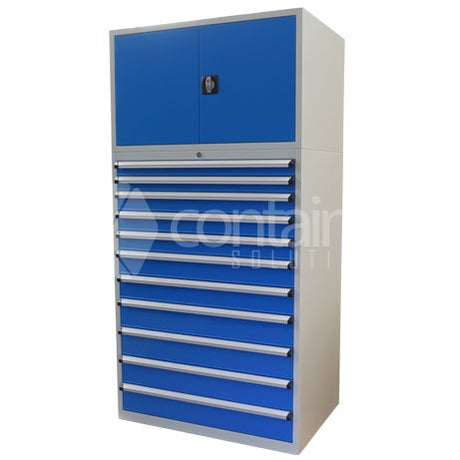
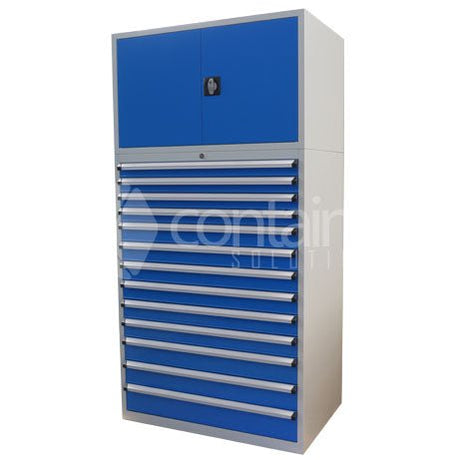
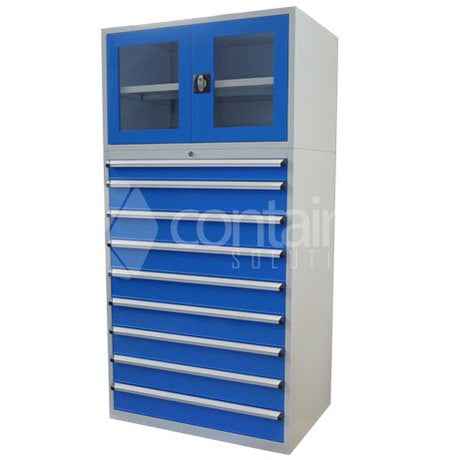
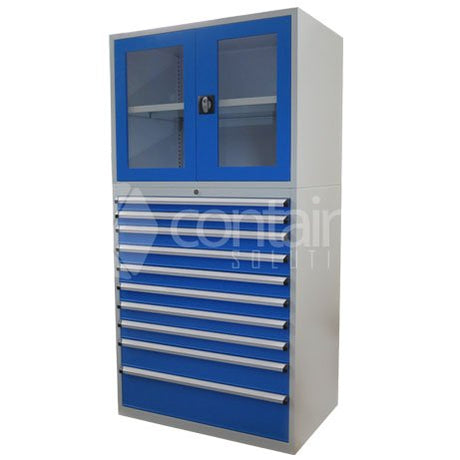
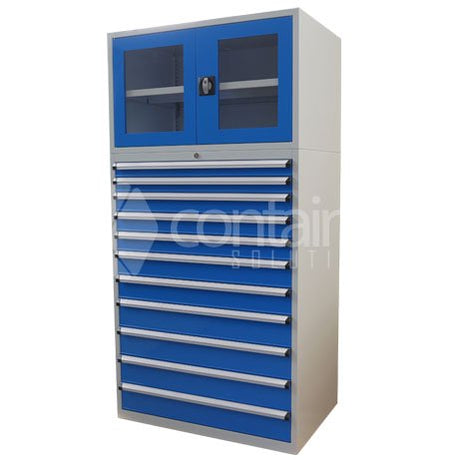
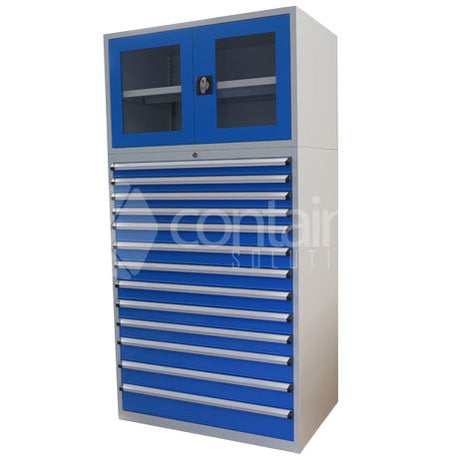
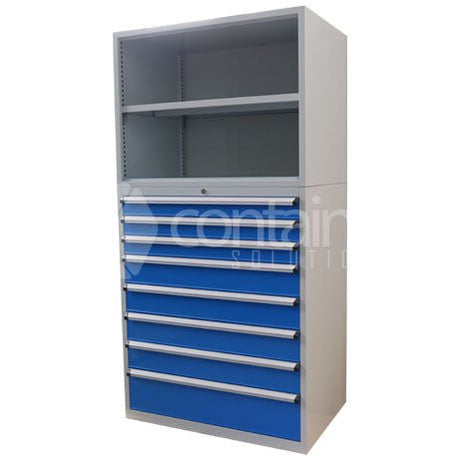
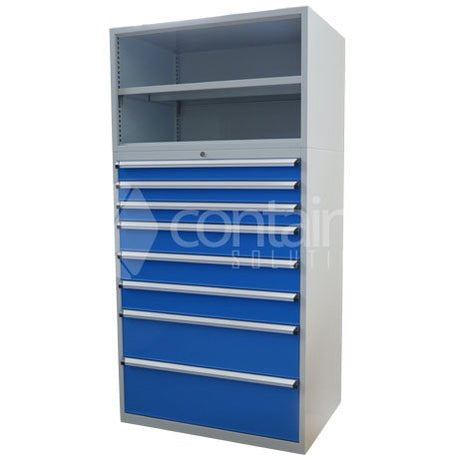
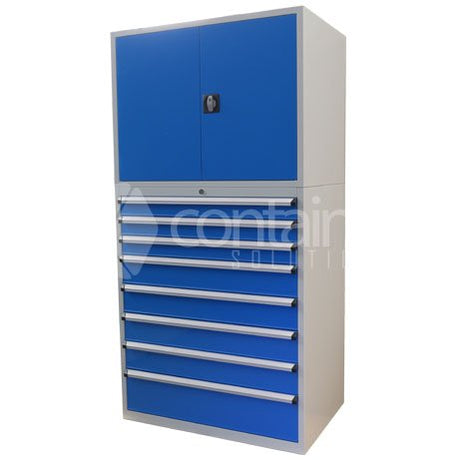
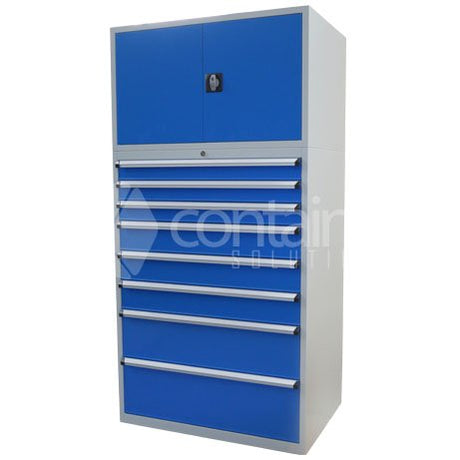
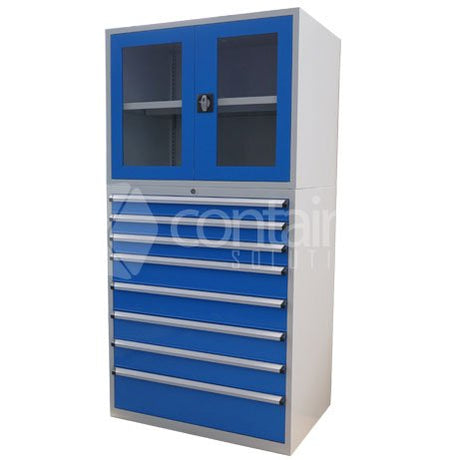
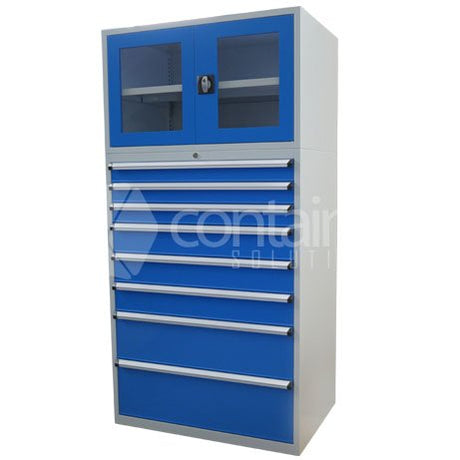
Available in open-top, metal-door and clear-door models |
Heavy Duty Drawer Storage for Tools, Parts and Stock
Heavy duty drawers make it easier to keep fasteners, fittings, tools, components and spare parts in one organised system. During a busy shift, that can mean fewer items left on benches, fewer mixed bins and less time spent looking through shelves.
Plastic bucket inserts are a practical choice for small parts that need to stay sorted. Drawer dividers are better suited to hand tools and mixed components that need adjustable storage space. Plastic buckets can also be better for parts that are kept in sealed plastic bags.
Storeman High Density Cabinets
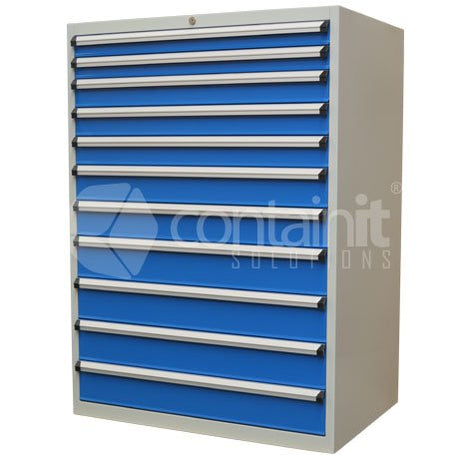
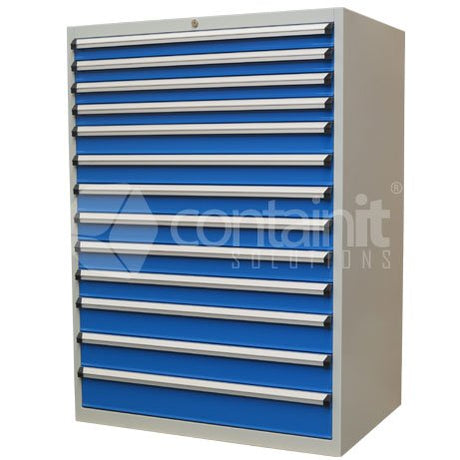
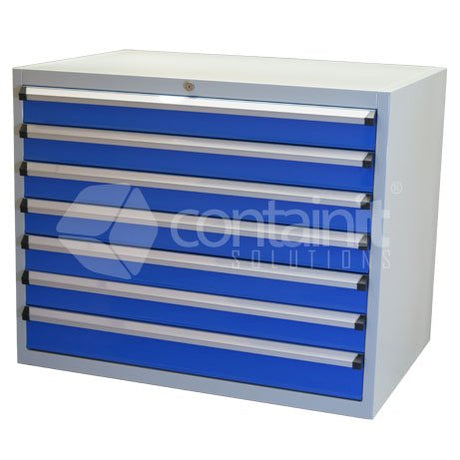
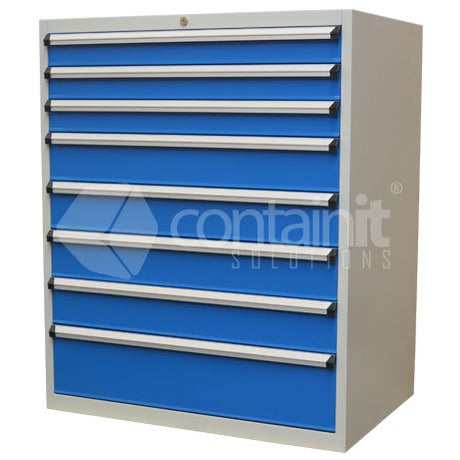
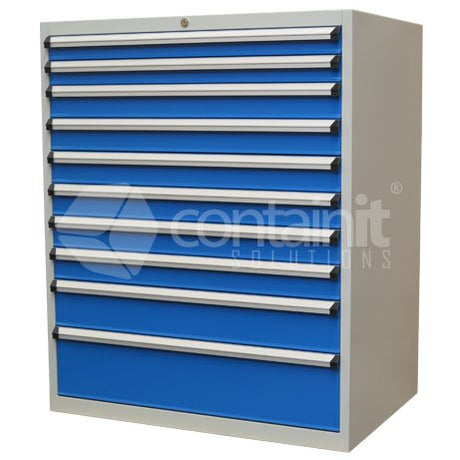
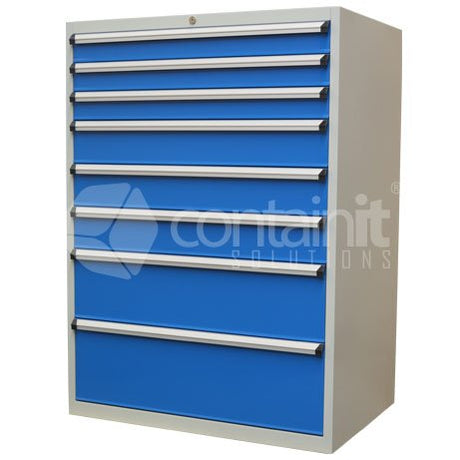
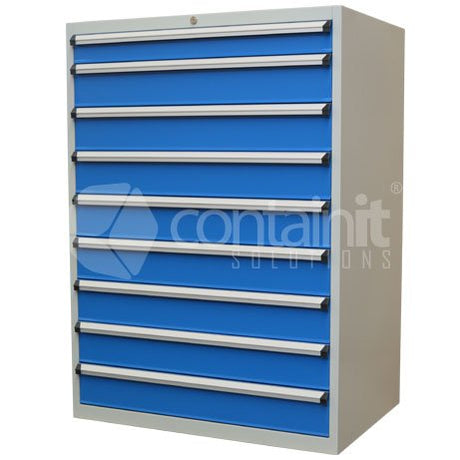
The Storeman range includes four cabinet series: 815 mm, 1225 mm, 1400 mm and 2000 mm. Smaller models are often used in workshops and maintenance areas, while larger cabinets suit central stores holding a wider range of parts and inventory.
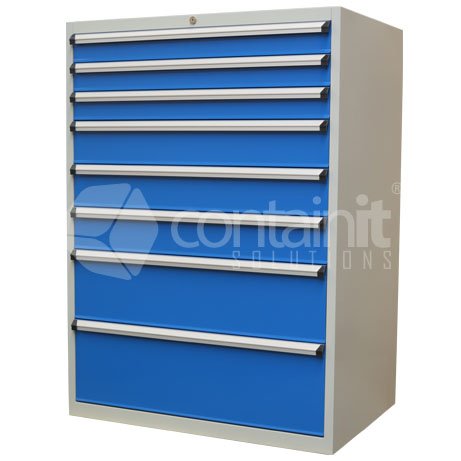
The 815 mm, 1225 mm and 1400 mm series are available in 4 to 13 drawer configurations. Optional accessories include forklift bases, plywood tops and a sloping top roof, which can help discourage loose items from being stored on top of the cabinet.
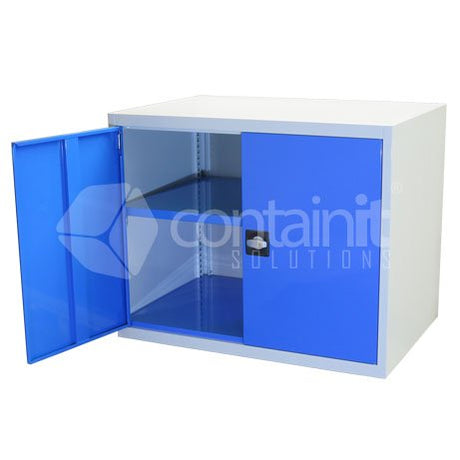
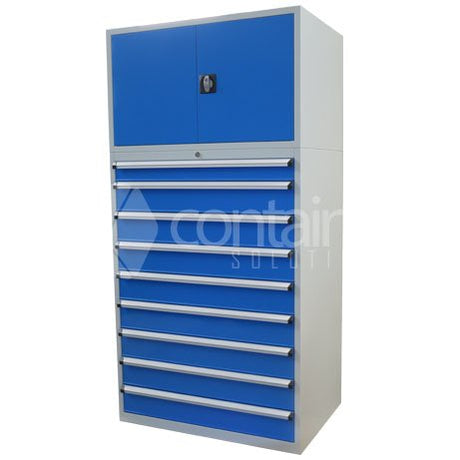
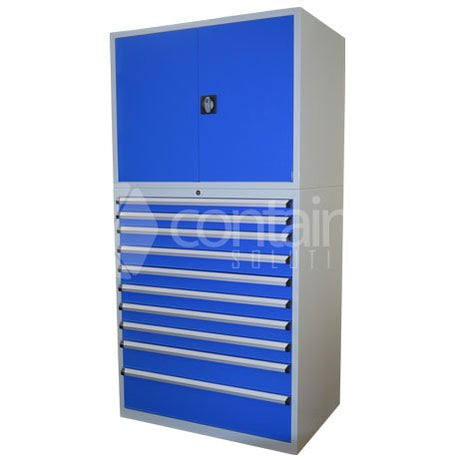
The 2000 mm series is available in open top, metal door and clear door models. This gives sites more choice when storing larger stock volumes or parts that require visibility.
Need help comparing cabinet sizes or drawer layouts? Contact us for advice on the right Storeman configuration.
Safety, Security and Site Fit
A drawer layout for small fittings may not suit bulky tools or heavier components. Cabinet size and drawer configuration should focus on the size, shape and weight of the items being stored.
If fitted, central key locking helps control access to tools, parts and consumables. Anti-tilt lockout systems allow only one drawer to open at a time, reducing the chance of multiple loaded drawers being pulled out together.
Each drawer system in this range includes a one-drawer-at-a-time opening system to reduce the risk of tipover or even degloving injury risks that can occur in systems where multiple drawers can be open at once.